
Articles
A Life without Reserve
Opinion | Articles | Benjamin Chang | 19-Sep-2026
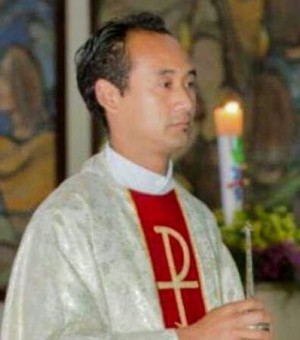
A tribute to Lt. Rev. Fr. Mathew Keemattam
(October 30, 1945 – September 20, 2017)
The life of Lt. Rev. Fr. Mathew Keemattam stands as a luminous witness to missionary zeal, pastoral charity, and unwavering fidelity to God and His people. Belonging to the Diocese of Kohima, Rev. Fr. Mathew Keemattam offered the best years of his life, particularly to the Eastern Naga Catholic Missions by embracing its people, cultures, and challenges as his own. His priesthood was not merely an office he held, but a life he lived out generously and meaningfully until the Lord called him home. His memory continues to inspire generations of priests, religious, and faithful who encountered him as a shepherd after the Heart of Christ.
Early life
Rev. Fr. Mathew Keemattam was born on October 30, 1945, in Ramapuram, Kerala, as the youngest of four sons to Ittiavirah and Mariakutty. His early years were marked by simplicity, faith, and hardship. The premature death of his father left the family vulnerable, yet it was in this crucible that the foundations of Fr. Mathew's characters were forged. His mother, a deeply pious, gentle, and resilient woman, single-handedly raised her sons in the fear of God and trust in divine providence.
Growing up in a Catholic environment, Fr. Mathew Keemattam received his early education at a nearby Catholic school run by religious sisters. The atmosphere of faith, prayer, and discipline left an indelible mark on his young heart. The parish church of Ramapuram was itself a place of deep spiritual influence, closely associated with Blessed Kunjachan (a collaborator of St. Kuriakose Elias Chavara), who was renowned for his dedicated service to the poor and marginalized. The reverence the community held for priests, combined with the missionary spirit embodied by figures like Kunjachan, awakened in young Mathew an ardent desire to dedicate his life to God.
Often recalling his childhood, Fr. Mathew Keemattam would often say, "I wanted to become a priest by all means." Nurtured and encouraged by his mother, this desire matured steadily into a firm vocational conviction.
His vocation
Fr. Mathew's vocation was born not of sudden inspiration, but of quiet perseverance. It grew through the ordinary rhythms of prayerful family life, active sacramental participation, and a deep admiration for missionary priests. The suffering endured by his family after his father's death deepened his compassion and strengthened his trust in God, while his mother's steadfast faith served as the silent yet powerful force that shaped his calling.
From an early age, he sensed that the priesthood was not about prestige, but service, especially to those on the marginalized. The call to a missionary life resonated deeply within him, even before he fully understood its demands. This inner call matured into decisive action when, at the age of seventeen, he courageously left his home and familiar surroundings to begin his formal priestly formation.
Formative years
In 1963, a very young Mathew joined St. Thomas Minor Seminary in Mylapore for the Diocese of Dibrugarh. Leaving Kerala for the distant Northeast of India marked the beginning of a lifelong missionary journey, one that would shape his identity and destiny.
He undertook his philosophical and theological studies at Sacred Heart Seminary in Poonamallee, Chennai. While he modestly described himself as an average student academically, his true strengths lay elsewhere. He possessed an extraordinary ability to relate to people, build lasting friendships, and create an atmosphere of warmth and belonging. His affable nature, sense of humour, and genuine interest in others endeared him to fellow seminarians and formators alike. These formative years refined his pastoral instincts and deepened his conviction that the priesthood was about being present, approachable, and compassionate, a lesson he would live out faithfully throughout his ministry.
Ordination and services
Fr. Mathew Keemattam was ordained a priest on December 20, 1973, at the age of twenty-eight, by Mar Sebastian Vayalil, the Bishop of Palai, at St. Augustine's Forane Church, Ramapuram. Though ordained in his native parish, his heart already belonged to the mission fields of Nagaland. Before 1973, Catholic communities across both Nagaland and Manipur fell under the jurisdiction of the Diocese of Dibrugarh in Assam. However, on January 29, 1973, Pope Paul VI formally erected the Diocese of Kohima–Imphal by carving out the states of Nagaland and Manipur from Dibrugarh, appointing Bishop Abraham Alangimattathil as its first bishop to oversee the newly established Diocese of Kohima–Imphal region.
The physical distance of nearly 2,500 kilometres from his homeland never weakened his familial bonds. On the contrary, Fr. Mathew Keemattam became the pillar who strengthened relationships among relatives and extended family. As the only priest in the family, he was held in deep reverence and affection. His annual home visits were moments of celebration marked by prayer and shared joy, around which relatives often organized special gatherings that became occasions of spiritual renewal and family unity.
Through his vivid descriptions, photographs, and stories about his mission, Fr. Mathew brought the Northeast closer to the hearts of his family and friends in Kerala. Nagaland and Northeast ceased to be a distant land; it became dear and familiar to all his family members and friends. His missionary enthusiasm inspired others to consider serving in the pagan dominated Northeast region, thereby widening the circle of Catholic Missions through personal witness.
Early ministries
Fr. Mathew Keemattam began his priestly ministry as the assistant parish priest at St. Thomas Parish, Tuensang, a challenging mission area which is often regarded as the "Mother Church" of Eastern Nagaland. He immersed himself fully in pastoral work, visiting villages, listening to the people, and sharing in their joys and struggles. During those years, the Tuensang Catholic Mission faced severe socio-political, religious, and geographical challenges.
By the time Catholic priests arrived at Tuensang, Protestant Christian denominations, particularly Baptists, were already firmly entrenched among local groups, especially among the Chang Tribe. Early Catholic missionaries encountered strong opposition and local hostility. Baptist leaders frequently discouraged locals from selling land to the Catholic Church or sending their children to Catholic schools. Additionally, misapprehensions and rumours regarding Catholic doctrines spread, severely slowing the growth of the Catholic Faith.
During the mid-to-late 20th century, Tuensang was a central theatre for the Naga Nationalist movement and early Indo-Naga conflicts. In this tense geopolitical environment, the Catholic missionaries were viewed with deep suspicion. While the Central Indian authorities, misread the Catholic Missionary presences as politically motivated in helping the Naga Nationalist. Local populations often mischaracterized the Catholic Church as an "Indian" or "Hindu" entity working on behalf of the central government, making it difficult for Catholic missionaries to build trust. Despite such trials, the Catholic Missionaries courageously persevered, embodying the Gospel message through their selfless service and authentic witness.
In 1978, Mathew Keemattam was entrusted with the responsibility of Priest-in-Charge of the Kiphire Catholic Mission, where his missionary zeal found rich expression. From the inception of Nagaland statehood to the present day, Eastern Nagaland has suffered from extreme infrastructural neglect, with only a single seasonal road connecting the entire region. To reach surrounding, predominantly pagan villages in the Kiphire, Tobu, and Mon areas, missionaries had to trek across rugged terrain, dense forests, and poorly connected mountain tracks. Inclement weather, severe food shortages, lack of healthcare, and malaria were constant realities. As Mission-in-Charge of Kiphire Region, Fr. Mathew Keemattam occasionally had to hitch rides in Indian Army vehicles or General Reserve Engineer Force (GREF) trucks, sometimes even sleeping overnight in GREF camps along the way.
The linguistic diversity among the tribes of Eastern Nagaland presented another major barrier. He relied heavily on local leaders and school hostel students to translate their teachings and help them navigate complex tribal customs. While local communities eagerly embraced Catholic education and medical care, they remained hesitant to accept the Catholic faith for many years. Though there were so many hostel boys and girls who were received to the Catholic Faith through Baptism in the Catholic Church, while some remained faithful to the Church by spreading the Catholic Faith in their own villages and towns, there were also many who failed to be faithful to the Catholic Church and left the Church after their studies.
For Fr. Mathew Keemattam, his best friends, like Local Catechist John Yesong, S. James Kiosukiu who were students of St. John's School, Tuensang, building the Catholic Mission meant enduring extreme hostility, physical hardship, and socio-political friction. They faced formidable struggles while attempting to plant the seeds of Catholic Faith in the Kiphire region. They devoted themselves wholeheartedly to missionary outreach in the Kiphire region, visiting villages and holding frequent meetings with the local people. Their efforts began to bear fruit with the formation of the First Catholic Community in Eastern Nagaland at Phelungre Village. They managed to prepare thirty people including seven boys from Chomi/Phuvkiu village for the baptism. On 7th May 1975, the new members were baptized by Rt. Rev. Abraham Alangimattathil, the Bishop of Kohima Diocese. It was a day of great rejoicing for Tuensang Parish.
Sangtam Baptist Church Association leaders actively organized opposition, such as a regional gathering in Kiphire of June 1975, where the fledgling Catholic community were mocked and threatened to give up their New Catholic Faith. Early local converts and itinerant catechists endured severe social exclusion and verbal hostility. On multiple occasions, village elders and church bodies confronted visiting priests, demanding they cease preaching or leave the area entirely. In places like Phelungre Village, opposing groups directly confronted visiting church authorities, including Bishop Abraham Alangimattathil, on 1st March 1977, confronting him to stop any Catholic Mission activities in the village and in the Kiphire area.
During his missionary works, he realized that the people of the Kiphire region were often divided by tribal Identity conflicts. Consequently, he encouraged them to unite as a single people under a common tribal identity called "Themachir"; a vision, however, which ultimately failed to materialize. He provided strong leadership that enabled the Kiphire mission to flourish. Over time, several parishes emerged from Kiphire, which remains the "Mother Parish" for many Catholic communities across the Kiphire region.
Returning to St. Thomas Parish, Tuensang, as Parish Priest in 1980, he continued to nurture the growing Catholic Communities in Tuensang and other villages. His appointment to Queen Mary's Parish, Mokokchung, among the Ao Naga tribe, known for their emphasis on education further broadened his pastoral experience. Schools and dispensaries became vital means through which he connected with the people, especially the youth and the poor.
Later, as Parish Priest of Holy Cross Parish, Dimapur, a rapidly growing urban center, Fr. Mathew Keemattam effectively bridged the gap between village and city life. He assisted villagers who came to Dimapur for education, employment, and resources, using his position to advocate for the marginalized and the migrant dwellers.
Rector of Good Shepherd Seminary
After completing a full term of service at Holy Cross Parish, Fr. Mathew Keemattam was appointed Rector of Good Shepherd Seminary, Dimapur in 1990. This marked a significant chapter in his priestly life as a formator of future priests. Drawing from his vast pastoral and educational experience, he guided seminarians with wisdom, patience, and fatherly care.
He believed deeply that seminarians must be formed not only intellectually but pastorally and spiritually. His sharing of missionary experiences brought realism and inspiration to seminary life. Under his leadership, the seminary became a home where young men felt supported, challenged, and loved. Even today, many priests remember him affectionately as a Rector with a large heart and a missionary vision.
Higher Studies and Leadership
In 1995, Fr. Mathew Keemattam pursued higher studies in Canon Law at St. Peter's Seminary, Bangalore, completing the program in 1997. Upon his return, he was appointed First Parish Priest of St. Joseph's Parish, Chumukedima, laying strong foundations for a vibrant future community.
For nearly ten years, he served as Vicar General of the Diocese of Kohima, offering wise counsel and steady leadership. A brief assignment as Rector of St. Joseph's College followed in 2005.
His ministry among these remote villages was marked by closeness to the people, especially through parish schools and dispensaries, which connected him deeply with families and students. Even after serving in other parts of the Diocese, Fr. Mathew Keemattam maintained a lasting bond with Eastern Nagaland. His return to St. Xavier's Parish, Meluri as Parish Priest in 2006 rekindled this relationship, where his systematic family visits and extensive village tours once again endeared him to the people he loved and served so faithfully.
He gave his whole self in the parish ministry among the Pochury tribe. There were so many non-Christian families at Meluri Village. Fathers, Ursuline Sisters and Lay Catholics played a major role in converting the non-Christian youths to the Catholic Faith. They often visited them and had family prayers with them. Most of the non-Christian youths accepted the Catholic Faith, leaving their parents to practice the Pagan rituals.
During his tenure as Parish Priest, the parish experienced significant infrastructural expansion and spiritual growth. Under his guidance, several New Church buildings were constructed to serve local communities across the region. These newly built places of worship included: St. Peter's Church (Old Thewati), St. Xavier's Church (Meluri Town), Thomas's Church (New Thewati), St. Joseph's Church (Lephory) and St. Joseph's Church (Akhegwo). This extensive construction initiative strengthened the physical presence of the Church and provided established spaces of worship for village sub-stations across the Pochury area.
Driven by a missionary vision for the wider region, Rev. Fr. Mathew Keemattam as a Parish Priest of Meluri and Most Rev. Jose Mukala, during his tenure as the Bishop of Kohima (1997–2009), initiated a targeted lay leadership initiative. They personally identified and sponsored dedicated young Naga men and women, sending them to the Pastoral Training Centre at Pfutsero and Imphal for intensive spiritual, pastoral, and catechistical formation. Upon completing their training, these newly formed lay missionaries were sent across the international border to serve in remote Naga and Kuki Zou inhabited areas of Myanmar. This initiative played a pivotal role in strengthening cross-border Christian pastoral care, establishing rural schools, and deepening the presence of both the Catholic and Baptist Churches among border communities.
As his pastoral term at St. Xavier's Parish in Meluri drew to a close, he longed to return to the rugged mission Frontiers of Eastern Nagaland, specifically Kiphire and Pungro where he had spent significant memorable years nurturing early faith communities. These remote areas represented his initial mission fields where he laid the groundwork for schools, healthcare, and parish communities under exceptionally challenging, rugged conditions. However, his advanced seniority within the Diocese of Kohima and his failing health required a pragmatic approach to his assignment.
Out of concern for his well-being, the present Bishop, Most. Rev. Dr. James Thoppil and the Kohima Diocesan Authority posted him at St. Dominic Savio Parish in Chiephobozou. This move placed him within an easy reach of advanced medical care in Kohima while keeping him rooted in active pastoral ministry. As a senior figure, his wisdom was valued, but his physical condition required proximity to urban healthcare facilities in Kohima and Dimapur. Demonstrating unyielding dedication to his vocation, he embraced his new pastoral responsibility wholeheartedly and served the people of Chiephobozou with zeal until his death, who chose to spend his final years directly serving the local faith communities.
A Priest of God
Fr. Mathew Keemattam lived the true spirit of a priest of God, deeply rooted in the Gospel and committed to the salvation of souls. From his ordination in 1973, he dedicated his life to proclaiming the Good News among the people of Nagaland through faithful sacramental and pastoral ministry. His celebration of the Eucharist, administration of the sacraments, and spiritual guidance were marked by reverence, compassion, and a genuine desire to lead people closer to God.
As a tireless missionary, Fr. Mathew Keemattam visited almost every village in the Tuensang district and beyond, always rejoicing in meeting people, listening to their concerns, and accompanying them in faith. Hardships and challenges never weakened his resolve. Through his fatherly presence, gentle counsel, and loving concern, he made visible the caring presence of God among the people. His life and ministry remain a lasting witness to priestly dedication and selfless service.
His Prayer Life
The inner life of Fr. Mathew Keemattam found clear expression in his vibrant ministry, pastoral zeal, and his remarkable ability to draw people closer to Christ. Rooted firmly in prayer, he remained faithful to his own spiritual growth throughout his life. He cherished moments of quiet communion with God and was disciplined in his daily spiritual practices. His regular and devout recitation of the breviary, rosary, even during holidays at home, was often noticed and remembered by his family members.
Fr. Mathew Keemattam was equally faithful to the celebration of the Holy Eucharist, offering Mass regularly even when no community was present. He actively participated in community prayers each morning and evening, giving importance to the spiritual life of the community. Prayer was central to his pastoral approach; he encouraged individuals and communities to deepen their relationship with the divine through prayer. His family visits were marked by shared moments of prayer, strengthening bonds of faith. His life of prayer inspired vocations, including that of his nephew Rev. Fr. Sunny Augustine SJ, who joined religious life as a Jesuit in the Kohima Province.
His Health
Fr. Mathew Keemattam was blessed with good health for most of his life, which enabled him to work in demanding missions. He had remarkable physical endurance, often travelling long distances to remote villages, adapting easily to difficult terrain and simple living conditions. His resilient physique and disciplined lifestyle allowed him to carry out his pastoral responsibilities without complaint. Apart from occasional seasonal cold and cough, he rarely experienced health issues during his active years of ministry.
In the later years of his life, Fr. Mathew Keemattam experienced kidney stones, which required medical attention. With timely treatment, the condition remained well under control which did not restrict his pastoral commitments. He was also on mild medication for diabetes, which he managed responsibly by adapting his lifestyle.
During the last two years of his life, unexplained weight loss, reduced appetite and fatigue became noticeable, though they were neither a cause of major concern nor openly discussed. About a week before his passing on 20 September 2017, he experienced vomiting and extreme weakness. Despite medical intervention, the exact cause of his illness could not be determined.
In his final three days, Fr. Mathew Keemattam was admitted to the Intensive Care Unit and placed on life support as his condition rapidly deteriorated. His liver showed signs of severe failure, and normal bodily functions became impossible. Though doctors later suspected liver or pancreatic cancer, a definitive diagnosis could not be made. From 19 September onwards, he remained unresponsive. In the early hours of 20 September 2017, Fr. Mathew Keemattam peacefully returned to God, whom he had served faithfully throughout his life.
His Legacy
Fr. Mathew Keemattam leaves behind a legacy rooted deeply in faith, service, and self-giving love. His life and mission are remembered not merely through the churches and institutions he helped to build, but more enduringly through the lives he touched, the communities he strengthened, and the vocations he inspired. He lived his priesthood with simplicity, generosity, and quiet joy, embodying the Gospel values he preached.
Gifted with a warm and welcoming heart, Fr. Mathew Keemattam had a unique ability to make every person feel respected and valued. His pastoral sensitivity enabled him to transcend boundaries of tribe, culture, age, and social status. This gift found its fullest expression among the people of Eastern Nagaland, whom he loved deeply and served with remarkable dedication.
For younger priests, he was a trusted mentor and guide, always ready to listen and offer gentle, wise counsel. To many others, he was a fatherly presence and a true friend. Called home while preparing for yet another mission, Fr. Mathew Keemattam completed his earthly journey with the same readiness with which he had lived his vocation. The Church of Kohima Diocese remembers him with gratitude and hope, confident that a life offered entirely to God's people continues to bear fruit beyond death. "Well done, good and faithful servant... enter into the joy of your Lord." (Mt 25:21)
(The writer is a Priest of the Diocese of Kohima, presently serving as Parish Priest of St. Mary's Church, Lakhuti)